Wonder Teller
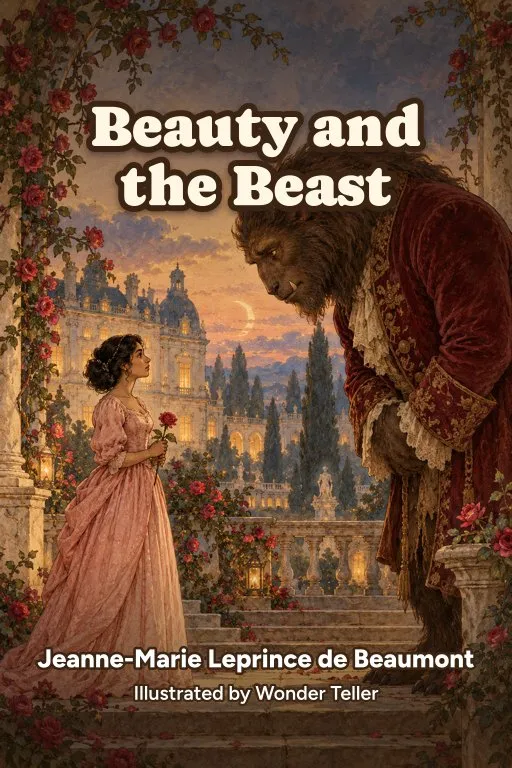
Cover of Beauty and the Beast
Classic StoriesChapter bookLevel 7Ages 6–8

Beauty and the Beast

English · 77 reading screens · 5,226 words · 41 min read

Chapter navigation included.

Madame Leprince de Beaumont’s original 1756 tale, complete and unabridged for readers ages 6–8: to save her father, who picked a rose from the Beast’s garden, Beauty goes to live in the Beast’s palace, where she learns to value his good heart over his looks.

Read first 8 pages
Original work by
Jeanne-Marie Leprince de Beaumont
Adapted by
Wonder Teller

A look inside

The opening of Beauty and the Beast, free to read.

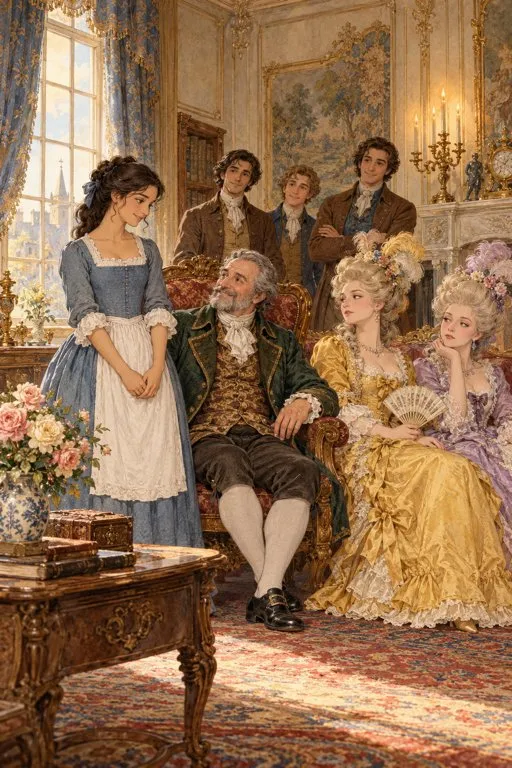
  1. Illustration from page 2 of Beauty and the Beast

    The Merchant’s Misfortune

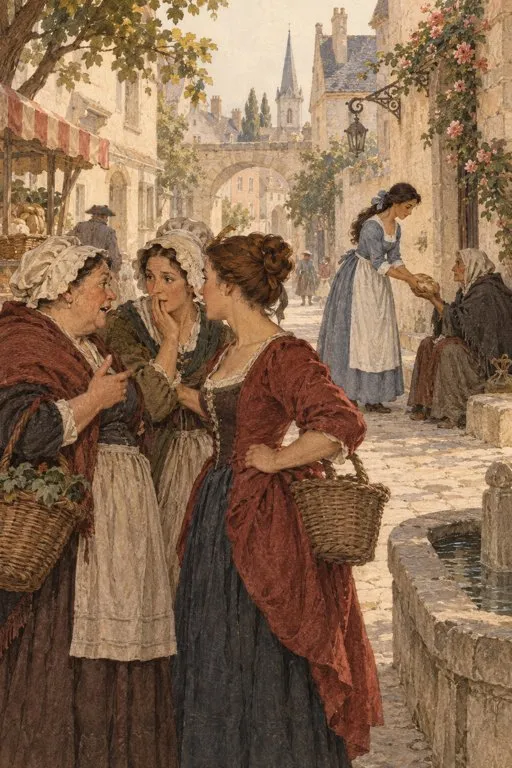
    There was once a very rich merchant, who had six children, three sons, and three daughters. Being a man of sense, he spared no cost for their education, but gave them all kinds of teachers. His daughters were extremely beautiful, especially the youngest. When she was little, everybody admired her, and called her “The little Beauty”; so that, as she grew up, she still went by the name of Beauty, which made her sisters very jealous.

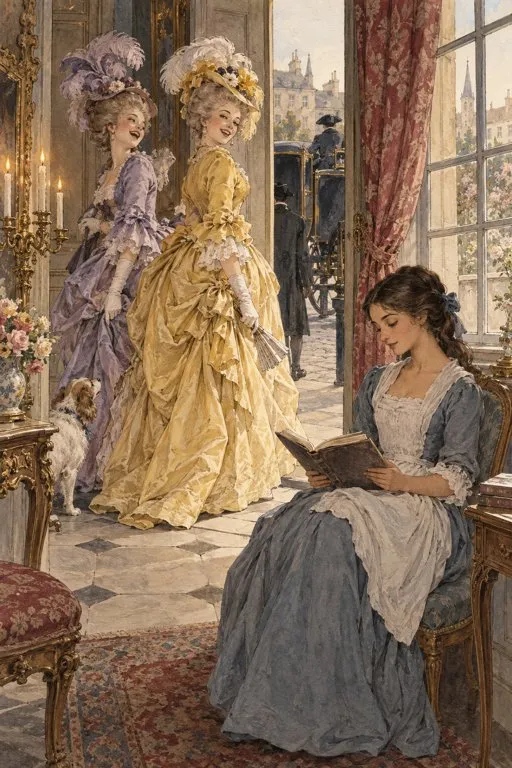
  2. Illustration from page 3 of Beauty and the Beast

    The youngest, as she was beautiful, was also better than her sisters. The two eldest had a great deal of pride, because they were rich. They gave themselves ridiculous airs, and would not visit other merchants’ daughters, nor keep company with any but grand people. They went out every day to parties, balls, plays, concerts, and more, and laughed at their youngest sister, because she spent the greatest part of her time in reading good books.

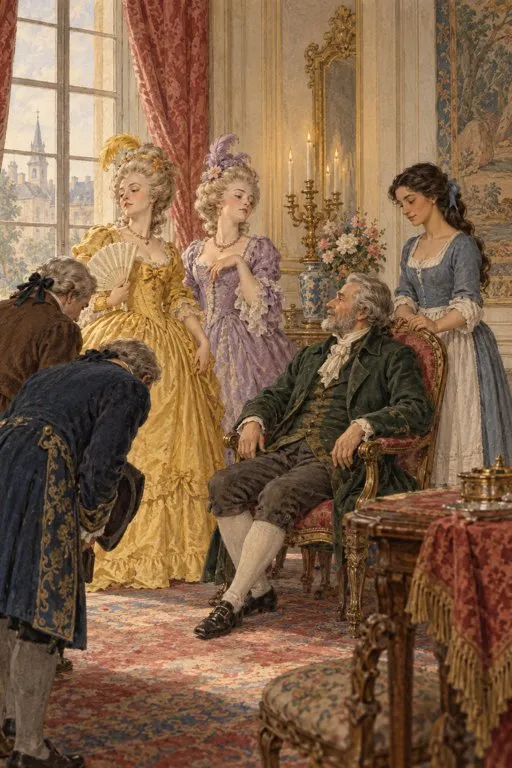
  3. Illustration from page 4 of Beauty and the Beast

    As it was known that they were to have great fortunes, several important merchants asked to marry them. But the two eldest said they would never marry, unless they could meet with a Duke, or an Earl at least. Beauty very politely thanked those who courted her, and told them she was too young yet to marry, but chose to stay with her father a few years longer.

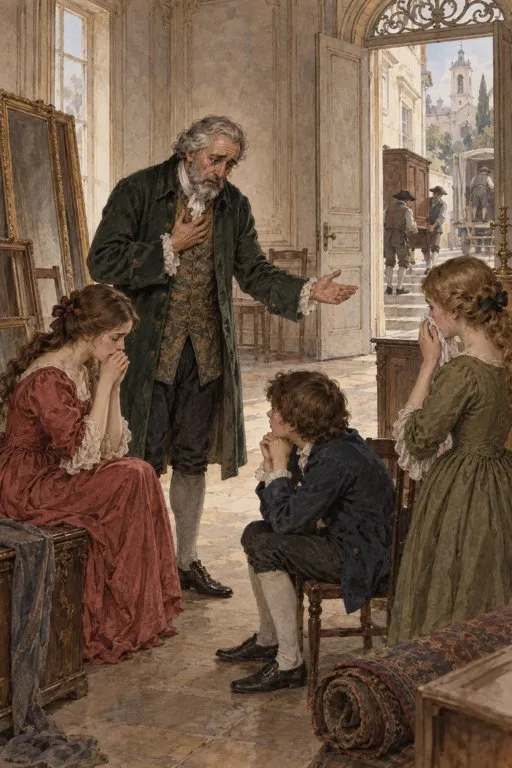
  4. Illustration from page 5 of Beauty and the Beast

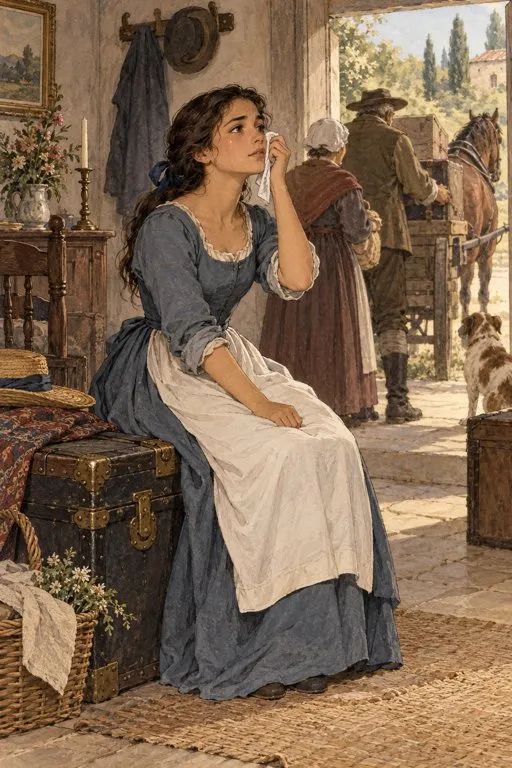
    All at once the merchant lost his whole fortune, except a small country-house at a great distance from town, and told his children, with tears in his eyes, they must go there and work for their living. The two eldest answered that they would not leave the town, for they had several admirers, who they were sure would be glad to have them, though they had no fortune. But in this they were mistaken, for their admirers ignored and left them in their poverty.

  5. Illustration from page 6 of Beauty and the Beast

    As they were not beloved on account of their pride, everybody said, “They do not deserve to be pitied. We are glad to see their pride humbled. Let them go and give themselves grand airs in milking the cows and minding their dairy. But,” they added, “we are extremely concerned for Beauty. She was such a charming, sweet-tempered creature, spoke so kindly to poor people, and was of such a friendly, helpful nature.”

  6. Illustration from page 7 of Beauty and the Beast

    Indeed, several gentlemen would have married her, though they knew she had not a penny. But she told them she could not think of leaving her poor father in his misfortunes, but was determined to go along with him into the country to comfort and help him. Poor Beauty at first was sadly grieved at the loss of her fortune. “But,” she said to herself, “if I cried ever so much, that would not make things better. I must try to make myself happy without a fortune.”

  7. Illustration from page 8 of Beauty and the Beast

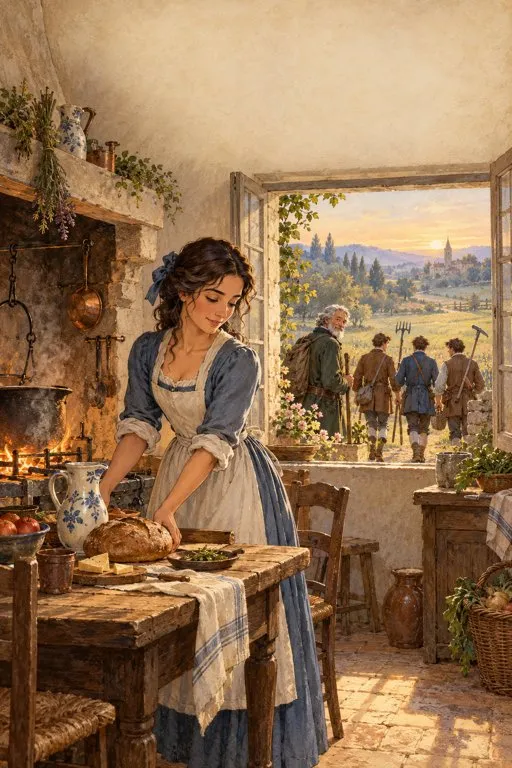
    When they came to their country-house, the merchant and his three sons applied themselves to farming. And Beauty rose at four in the morning, and hurried to have the house clean, and breakfast ready for the family. In the beginning she found it very difficult, for she had not been used to work as a servant; but in less than two months she grew stronger and healthier than ever. After she had done her work, she read, played on the harpsichord, or else sang while she spun.